
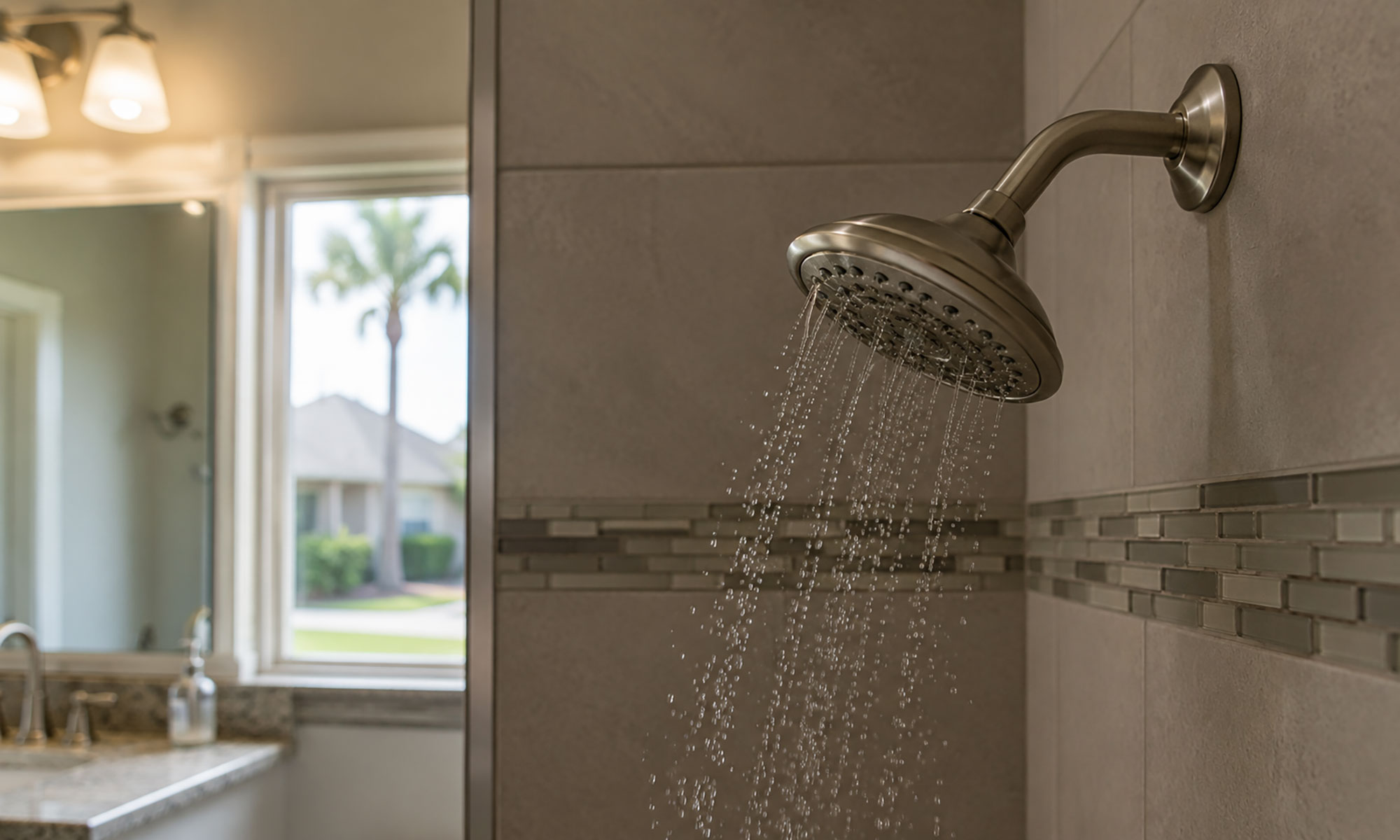
Low water pressure can turn everyday household tasks into frustrating chores. A shower that once felt refreshing may become a weak trickle. The washing machine may take longer to fill, the kitchen faucet may struggle to rinse dishes, and running two fixtures at the same time may seem nearly impossible.
For homeowners in South Houston, low water pressure can have several possible causes. Some problems are limited to one faucet or showerhead and require only a simple cleaning or replacement. Other pressure problems may indicate corroded pipes, a hidden plumbing leak, a failing pressure regulator, or an issue with the municipal water supply.
The key is determining whether the problem affects one fixture, one section of the house, or the entire plumbing system.
This guide explains the most common causes of low water pressure in South Houston homes, the steps you can safely take to investigate the problem, and when it is time to call a licensed plumber.
What Is Considered Low Water Pressure?
Residential water pressure is typically measured in pounds per square inch, commonly abbreviated as PSI. Many homes operate comfortably with water pressure somewhere between 40 and 60 PSI.
Pressure below approximately 40 PSI may feel weak, especially when several fixtures or water-using appliances operate at the same time. Pressure that is too high can also cause problems, including unnecessary stress on pipes, faucets, appliance connections, and water heaters.
The ideal pressure for a particular home depends on the plumbing system, the number of fixtures, the home’s elevation, and other factors. A plumber can test the pressure at an exterior hose connection or another appropriate location to determine whether the problem involves the home’s plumbing or the incoming water supply.
Start by Determining Where the Pressure Is Low
Before assuming the entire house has a serious plumbing problem, determine how widespread the issue is.
Turn on several fixtures throughout the home and compare their performance. Check both hot and cold water at:
- Kitchen faucets
- Bathroom sinks
- Showers and bathtubs
- Outdoor hose connections
- The washing machine
- Fixtures on different floors, when applicable
Your observations can help narrow down the likely cause.
Low Pressure at One Fixture
When only one faucet or shower has weak pressure, the problem is usually located at that fixture. A clogged aerator, mineral buildup, a partially closed shutoff valve, or a worn fixture component may be responsible.
Low Pressure in One Area of the House
When several fixtures in one bathroom or one section of the home have poor pressure, there may be a restriction or leak in the branch line serving that area.
Low Pressure Throughout the House
Whole-house pressure problems may involve the main shutoff valve, pressure regulator, service line, water meter, aging pipes, a substantial leak, or the municipal supply.
This distinction is important because cleaning a faucet aerator will not correct a failing pressure regulator, and replacing a showerhead will not solve a leak beneath the home.
1. A Clogged Faucet Aerator
A faucet aerator is the small screened component attached to the end of a faucet spout. It controls the shape of the water stream and reduces splashing.
Over time, sediment and mineral deposits can collect inside the aerator. This buildup restricts the flow of water and can make the faucet appear to have a pressure problem.
A clogged aerator is especially likely when:
- Only one faucet has weak flow
- The water sprays unevenly
- The pressure has gradually declined
- Other fixtures operate normally
- Small particles are visible inside the screen
To inspect the aerator, carefully unscrew it from the faucet. Some aerators can be removed by hand, while recessed models may require a special key. Rinse away loose debris and soak mineral-covered components in white vinegar before gently brushing them clean.
Avoid forcing the aerator or scratching the faucet finish. If the component is damaged or heavily corroded, replacement may be easier than cleaning.
2. Mineral Buildup in a Showerhead
A weak shower does not always mean the entire home has low pressure. Mineral deposits can clog the small openings in the showerhead, reducing the amount of water that passes through.
Look for white or chalky deposits around the spray openings. You may also notice that some openings do not produce water or that the shower sprays in several different directions.
Removing and cleaning the showerhead may restore normal flow. Depending on the model, it may be possible to soak it in vinegar without removing it. Severely clogged or worn showerheads may need to be replaced.
If the pressure remains weak after the showerhead has been cleaned or removed, the restriction may be inside the shower valve, cartridge, supply line, or another part of the plumbing system.
3. A Partially Closed Fixture Shutoff Valve
Most sinks and toilets have individual shutoff valves near the wall or floor. If one of these valves is not fully open, the fixture may receive less water than it should.
A valve may have been partially closed during a repair and never reopened completely. Older shutoff valves can also fail internally, even when the handle appears to be in the open position.
Check whether the valve is fully open, but do not force a valve that is stuck, badly corroded, or leaking. Applying too much pressure to an aging valve can cause it to break and create a larger plumbing problem.
A plumber can replace a damaged shutoff valve and check the supply line for restrictions.
4. The Main Water Valve Is Not Fully Open
When pressure is low throughout the home, check the main water shutoff valve. It may be located near the point where the water line enters the house, inside a utility area, or near the water meter.
If plumbing work was recently completed, the valve may not have been reopened all the way. Gate-style valves can also fail internally, leaving the passage partially blocked even when the handle appears open.
Do not make aggressive adjustments to an unfamiliar meter valve or a damaged main shutoff. Some valves belong to the water provider and should not be operated by the homeowner.
A plumber can determine whether the main valve is restricting the incoming water supply.
5. A Failing Water Pressure Regulator
Some homes have a pressure-reducing valve, often called a pressure regulator, installed on the incoming water line. Its job is to reduce high municipal water pressure to a safer and more usable level inside the home.
When the regulator begins to fail, water pressure may become unusually low, unusually high, or inconsistent.
Signs of a regulator problem may include:
- Weak pressure throughout the house
- Pressure that changes unexpectedly
- A sudden drop in pressure without an obvious cause
- Plumbing noises or vibration
- Different readings when pressure is tested at different times
- Pressure problems at both hot and cold fixtures
A pressure regulator should be diagnosed and adjusted by a qualified plumber. Turning its adjustment screw without testing the system can create excessive pressure and damage plumbing components.
If the regulator has failed, replacement is usually more reliable than repeated adjustment.
6. A Hidden Plumbing Leak
Low pressure can occur when water escapes from the system before reaching your faucets and appliances. A large leak may cause an obvious pressure loss, but smaller hidden leaks can also reduce performance over time.
Possible signs of a concealed leak include:
- An unexplained increase in the water bill
- Damp flooring, cabinets, or walls
- Water stains on ceilings
- Moldy or musty odors
- The sound of running water when fixtures are off
- Warm spots on the floor
- Cracks in walls or flooring
- Puddles near the foundation
- A water meter that moves when no water is being used
To perform a basic meter check, turn off faucets, fixtures, appliances, irrigation equipment, and anything else that uses water. Observe the water meter. If its leak indicator continues moving, water may be escaping somewhere in the system.
This test does not identify the location of the leak, and some plumbing systems require professional interpretation. Do not ignore possible leakage simply because no standing water is visible. Pipes may leak inside walls, beneath floors, underground, or below a concrete foundation.
Prompt leak detection can help limit water damage and unnecessary utility costs.
7. Corroded or Restricted Pipes
Older plumbing pipes can corrode internally. As corrosion and mineral deposits accumulate, the inside diameter of the pipe becomes smaller. Less space remains for water to travel through, reducing both flow and usable pressure.
This problem is common in homes with aging galvanized steel plumbing. The pipe may look acceptable from the outside while being severely restricted internally.
Warning signs of deteriorating or restricted pipes include:
- Gradually declining water pressure
- Weak flow at multiple fixtures
- Rust-colored or discolored water
- Frequent leaks
- Visible corrosion around fittings
- Poor pressure when two fixtures operate simultaneously
- A home with older galvanized piping
Cleaning an aerator may temporarily improve one fixture, but it will not correct restrictions throughout the piping system.
Depending on the extent and location of the deterioration, a plumber may recommend replacing a section of pipe or repiping the home. Modern piping materials can improve flow while reducing the risk of future corrosion-related leaks.
8. A Problem With the Main Water Service Line
The service line carries water from the municipal connection to the house. If this line is leaking, damaged, undersized, corroded, or partially blocked, the entire home may experience poor water pressure.
Possible signs of a service-line problem include:
- Low pressure at every fixture
- An unexplained increase in water use
- Wet or unusually green areas in the yard
- Muddy ground when the weather has been dry
- Water pooling near the meter or foundation
- Pressure that has worsened gradually
- Reduced flow at exterior hose connections
Because the service line is buried, diagnosing the problem may require pressure testing, leak detection equipment, or further inspection.
Responsibility for repairs can depend on whether the problem is located on the utility side or the homeowner’s side of the meter. A licensed plumber can help identify the likely location and explain the next step.
9. High Demand Inside the Home
Sometimes the plumbing system is working normally, but too many fixtures and appliances are using water at once.
For example, pressure may drop when someone showers while the washing machine fills, the dishwasher runs, and an outdoor sprinkler system operates. Homes with smaller supply lines may experience a more noticeable reduction under heavy demand.
Try operating the affected fixture when no other water is being used. If the pressure improves substantially, simultaneous demand may be contributing to the problem.
Staggering water use may provide a temporary solution. However, severe pressure loss during normal household activity can indicate undersized, restricted, or deteriorated piping that deserves professional evaluation.
10. A Water Heater or Hot-Water Plumbing Problem
When cold-water pressure is normal but hot-water pressure is weak, the issue is probably not the municipal supply. It may involve the water heater or hot-water distribution system.
Possible causes include:
- Mineral or sediment buildup
- A partially closed water-heater valve
- A damaged shutoff valve
- Corroded hot-water piping
- A restricted connector
- A plumbing installation problem
Compare hot and cold flow at several fixtures. If hot water is consistently weaker throughout the home, have the water heater and connected piping inspected.
Do not disassemble water-heater components or adjust unfamiliar valves. Water heaters involve high temperatures, pressure, electricity, gas, or a combination of these hazards.
Safe Troubleshooting Steps for South Houston Homeowners
Before scheduling plumbing service, you can gather useful information without opening pipes or making risky adjustments.
Check More Than One Fixture
Determine whether the problem affects one faucet, one room, only hot water, or the entire house.
Clean Accessible Aerators and Showerheads
Remove visible sediment and mineral buildup where the fixture manufacturer permits it.
Verify Individual Shutoff Valves
Make sure fixture valves are open, but do not force valves that are corroded, frozen, or leaking.
Compare Hot and Cold Pressure
This can help determine whether the problem is related to the water heater or hot-water piping.
Look for Signs of Leakage
Check beneath sinks, around toilets, near the water heater, beside appliances, along exterior walls, and around the foundation.
Ask Your Neighbors
If nearby homes have the same sudden pressure problem, contact the water provider before assuming your plumbing has failed.
Review Your Water Bill
A higher-than-normal bill may support the possibility of a hidden leak.
These observations can help a plumber diagnose the problem more efficiently.
When Should You Call a Plumber?
Call a licensed plumber when low water pressure affects the entire house, appears suddenly without explanation, or occurs with signs of a leak.
You should also request professional service when:
- The main shutoff valve is damaged
- The pressure regulator may be failing
- Pipes appear corroded
- Hot-water pressure is low throughout the home
- The water meter suggests continuous usage
- Water is collecting near the foundation
- Several fixtures have gradually lost pressure
- Water is discolored
- Pressure fluctuates dramatically
- You suspect a slab or underground leak
Low water pressure is not always an emergency, but it should not be ignored when it indicates leaking or deteriorating plumbing.
How a Plumber Diagnoses Low Water Pressure
A professional diagnosis may include:
- Testing static and flowing water pressure
- Inspecting faucets, valves, and supply connections
- Checking the pressure regulator
- Comparing hot- and cold-water performance
- Examining accessible piping for corrosion
- Testing for hidden water loss
- Evaluating the main service line
- Determining whether the pipes are appropriately sized
- Checking whether the municipal supply is contributing to the issue
The correct repair depends on the cause. Possible solutions may include cleaning or replacing a fixture, installing a new shutoff valve, replacing a pressure regulator, repairing a leak, replacing restricted piping, or correcting a service-line problem.
A responsible plumber should diagnose the system before recommending major repairs.
Can a Water-Pressure Booster Solve the Problem?
A booster pump can increase pressure in certain homes, but it is not the right first solution for every low-pressure complaint.
Installing a booster without identifying the cause can conceal a leaking pipe, worsen water loss, or place additional stress on deteriorated plumbing. A booster also cannot remove corrosion from galvanized pipes or repair a damaged service line.
Before considering a booster, have a plumber confirm that:
- The incoming supply pressure is genuinely inadequate
- The plumbing system does not have a hidden leak
- The main valve is operating correctly
- The pressure regulator is not causing the problem
- The supply pipes are not severely restricted
- The existing plumbing can safely handle increased pressure
Once these conditions have been evaluated, the plumber can determine whether a booster system is appropriate.
Preventing Future Water-Pressure Problems
Not every plumbing problem can be prevented, but regular attention can reduce the risk of unexpected pressure loss.
Homeowners can help by:
- Cleaning faucet aerators and showerheads periodically
- Repairing leaks promptly
- Watching for unexplained water-bill increases
- Replacing badly corroded fixture valves
- Having older plumbing systems inspected
- Flushing a traditional tank water heater as recommended
- Avoiding aggressive chemical drain cleaners
- Knowing the location of the main water shutoff
- Scheduling an inspection when pressure changes noticeably
A gradual decline in pressure is easy to tolerate until it becomes severe. Investigating the change early may reveal a repairable restriction or leak before it causes additional damage.
Low Water Pressure FAQs
Why is my water pressure suddenly low?
A sudden loss of pressure may result from utility work, a partially closed main valve, a failed pressure regulator, a major leak, or a service-line problem. Check whether neighbors are affected and look for visible signs of leakage.
Why is the water pressure low in only one faucet?
The most common causes are a clogged aerator, a partially closed shutoff valve, a restricted supply line, or a worn faucet cartridge.
Why is only my hot-water pressure low?
Weak hot-water pressure may indicate sediment, a restricted water-heater connection, a partially closed valve, or corrosion in the hot-water piping.
Can clogged pipes cause low water pressure?
Yes. Internal corrosion and mineral buildup can reduce the opening inside older pipes, limiting the amount of water that reaches fixtures.
Can a plumbing leak lower water pressure?
Yes. A significant leak can reduce pressure and flow because some of the water escapes before reaching the fixture. Hidden leaks may occur underground, inside walls, or beneath a concrete slab.
Is low water pressure dangerous?
Low pressure itself is usually an inconvenience rather than a direct danger. However, the underlying cause may require prompt attention if it involves a leak, failing pipe, contaminated supply, or damaged plumbing component.
How can I improve water pressure in my house?
The correct solution depends on the cause. Cleaning an aerator may solve a fixture-specific problem, while whole-house problems may require valve repair, regulator replacement, leak repair, repiping, service-line work, or, in selected cases, a booster system.
Get Help With Low Water Pressure in South Houston, TX
Low water pressure can come from something as simple as a clogged faucet aerator or something as serious as a hidden leak or deteriorated water line. Guessing at the cause can lead to unnecessary repairs while allowing the real problem to continue.
If your South Houston home has weak, inconsistent, or steadily declining water pressure, Pasadena Plumbing Services can inspect the plumbing system, identify the source of the problem, and explain the available repair options.
Contact Pasadena Plumbing Services to schedule an evaluation for low water pressure in South Houston, Texas.