
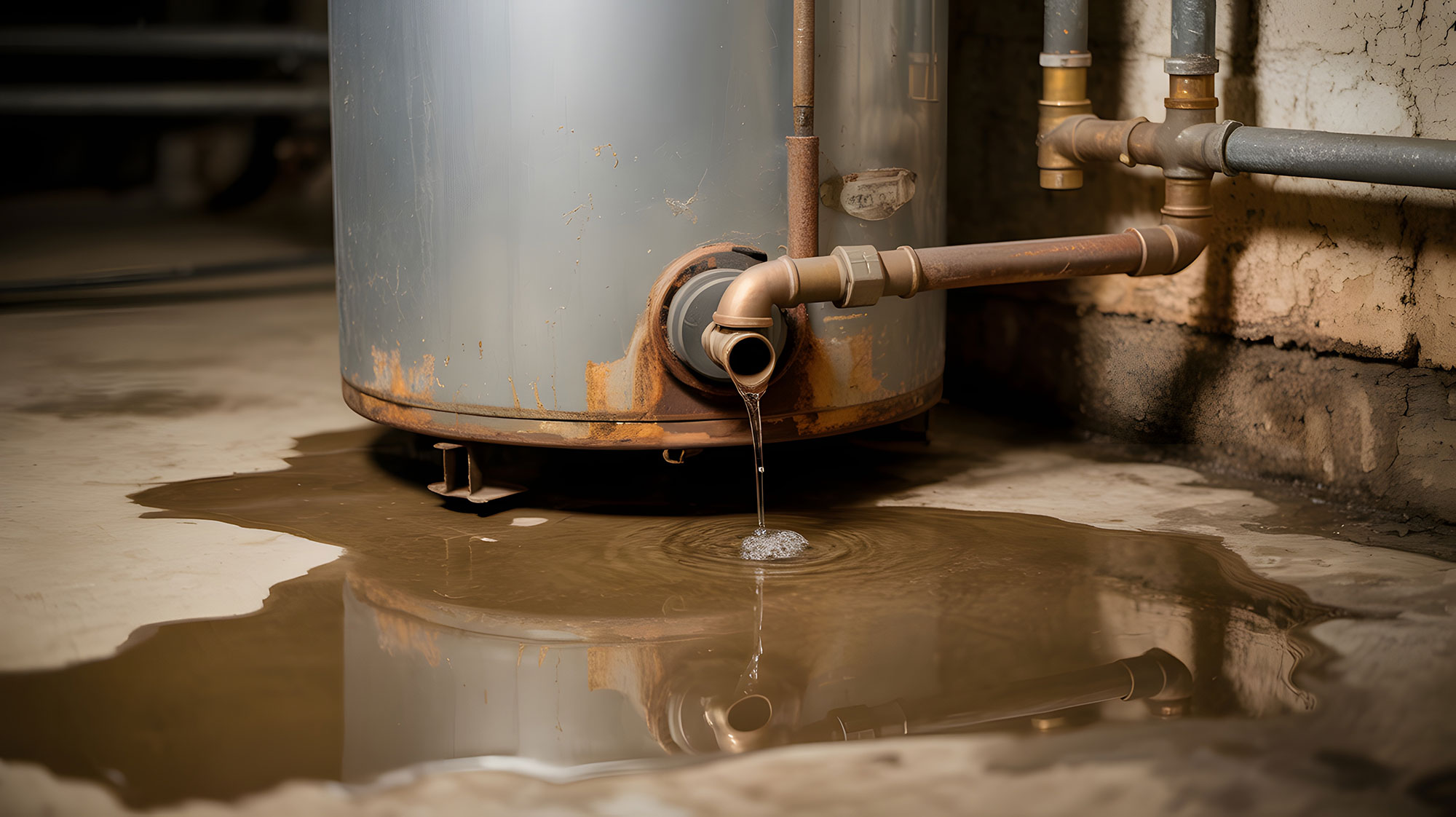
Every time you turn on a faucet, take a shower, or run the dishwasher in Pasadena, Texas, an invisible threat is flowing through your plumbing system. That threat is hard water. While it is completely safe to drink, hard water carries a heavy structural cost for residential appliances. Among all the devices in your home, none bear the brunt of this geological burden quite like your water heater.
In Southeast Texas, water heaters are forced to work under grueling conditions. The mineral-heavy water supply constantly interacts with high temperatures inside the tank, triggering a chemical reaction that shortens appliance lifespans and quietly influences your monthly utility bills.
Understanding how local municipal water interacts with your heating system is essential for avoiding premature equipment failure and preventing sudden, icy-cold surprises in the morning.
The Reality of Pasadena’s Municipal Water Supply
To understand why your water heater is under constant attack, you have to look at where our water comes from. The municipal water supply for Pasadena and the surrounding Houston metro area relies on a combination of surface water from Lake Livingston and the Trinity River, mixed with groundwater pumped from deep underground aquifers.
As groundwater travels through layers of subterranean limestone and chalk, it naturally dissolves and absorbs rich mineral deposits. The two primary elements found in this water are calcium and magnesium. The higher the concentration of these dissolved minerals per gallon, the “harder” the water is classified.
When this mineral-laden water enters your residential plumbing network, it looks and tastes perfectly clear. However, the moment that water enters your water heater and encounters a high-temperature environment, those dissolved minerals undergo a physical transformation, reverting into solid, rocky structures.
The Chemistry of Scale Buildup: How Heat Sparks the Damage
Your water heater operates by transferring thermal energy into the incoming cold water supply. Whether your home utilizes a traditional gas burner located at the bottom of a steel tank or internal electric heating elements submerged directly in the water, the process of heating water changes its chemical carrying capacity.
When hard water is subjected to intense heat, the dissolved calcium and magnesium ions bind together with carbonate ions present in the water. This reaction creates an insoluble compound known as calcium carbonate. Homeowners and plumbers commonly refer to this solid byproduct as “limestone,” “scale,” or “water heater sediment.”
As more water passes through the system day after day, these microscopic solid flakes begin to fall out of suspension. In a traditional tank-style water heater, gravity pulls this heavy sediment down to the very bottom of the tank, where it forms a thick, rocky crust directly over the heat source. In a modern tankless system, this scale adheres directly to the tight metal walls of the heat exchanger, restricting water flow and trapping intense heat.
How Scale Buildup Destroys Traditional Tank Water Heaters
Traditional water heaters are highly vulnerable to sediment collection because they hold 40 to 50 gallons of water at a time, providing a massive reservoir for minerals to settle out over time. This continuous accumulation damages the tank in several distinct ways:
Drastic Losses in Energy Efficiency
In a gas water heater, the burner sits directly underneath the steel bottom of the tank. For that flame to heat the water inside, the thermal energy must pass through the steel tank floor. When a two-inch layer of rocky calcium carbonate scale accumulates at the bottom of the tank, it acts as a highly effective thermal blanket.
Instead of heating the water cleanly, the burner must heat the scale first. Because limestone is a terrible conductor of heat, your water heater has to run significantly longer and use far more natural gas or electricity just to bring the water up to your desired temperature, causing a noticeable spike in your monthly utility bills.
The Tell-Tale Flushing Noise (The “Popping” Sound)
If you have ever heard a bizarre thumping, popping, or rumbling noise echoing from your utility closet or attic while the water heater is active, you are listening to hard water damage in real-time.
As water gets trapped beneath the heavy layer of bottom sediment, the intense heat from the burner boils that trapped water instantly, turning it into highly pressurized steam. When that steam violently escapes up through the rocky crust, it creates a loud, unsettling popping sound. This sound is a clear warning sign that your tank is struggling against a major mineral blockade.
Accelerated Tank Failure and Overheating
Because the burner has to run twice as long to penetrate the sediment layer, the steel bottom of the water heater tank is subjected to severe thermal stress. Over time, this constant overheating weakens the steel structure and breaks down the internal glass lining designed to protect the metal from rusting. Once the protective lining fractures, the raw steel is exposed to water, leading to rapid corrosion, microscopic fractures, and eventual catastrophic tank failure.
The Vulnerability of Modern Tankless Water Heaters
Many Pasadena homeowners have transitioned to tankless water heaters to save space and enjoy endless hot water on demand. While tankless units do not suffer from the same gravity-fed bottom sediment accumulation as tank models, they are actually more sensitive to hard water conditions.
Tankless water heaters utilize ultra-compact, high-efficiency heat exchangers with incredibly narrow water pathways. When hard water rapidly heats up inside these tight copper or stainless steel tubes, scale bonds directly to the interior walls of the exchanger.
As the scale layer thickens, it restricts the volume of water that can pass through the unit, leading to sudden drops in household water pressure. Furthermore, the localized scale creates severe hot spots on the heat exchanger walls, triggering built-in safety sensors to shut down the entire system to prevent a fire. If your tankless system suddenly displays an error code and shuts off mid-shower, hard water scale is the primary suspect.
Action Plan: What To Do About Hard Water Damage
If you live in Pasadena, you cannot change the water profile provided by the municipality, but you can take three definitive actions to protect your water heater from premature destruction.
Action 1: Perform an Annual Water Heater Flush
For traditional tank water heaters, the single most effective maintenance task is a professional system flush performed at least once a year. A licensed technician connects a high-grade hose to the drain valve at the base of the tank, isolates the water supply, and uses specialized tools to force accumulated calcium and magnesium flakes completely out of the system. If your unit hasn’t been serviced in several years, a chemical descaling solution may be carefully introduced to dissolve hardened, stubborn blockages safely.
Action 2: Schedule Regular Tankless Descaling
Because tankless systems are highly sensitive, they require a specialized descaling service. A plumber will connect a portable pump system directly to the service valves of the tankless unit, circulating a food-grade descaling solution through the internal heat exchanger for roughly an hour. This solution safely breaks down and flushes out the calcium matrix, restoring original water flow and thermal efficiency without damaging the sensitive metal internal components.
Action 3: Install a Whole-Home Water Softener
If you want to eliminate the problem at the root source, installing a whole-home water softener is the definitive solution. These systems are installed where the main water line enters your home. Utilizing a process known as ion exchange, the water softener traps calcium and magnesium ions on a specialized resin bed and replaces them with harmless sodium ions. By removing the hard minerals before they ever reach your water heater, you stop scale formation entirely, instantly doubling the operational lifespan of your appliances and protecting your entire home’s plumbing framework.
Please Note: The information provided in this article is intended for general educational purposes only. Water heater designs, local municipal mineral counts, and specific plumbing configurations can vary significantly from neighborhood to neighborhood across the Pasadena area. If your water heater is making unusual noises, losing efficiency, or if you are considering installing a water treatment system, please do not attempt to modify your gas, electrical, or water systems yourself. Contact the licensed professionals at Pasadena Plumbing Services directly for an accurate diagnostic evaluation and professional assistance.