
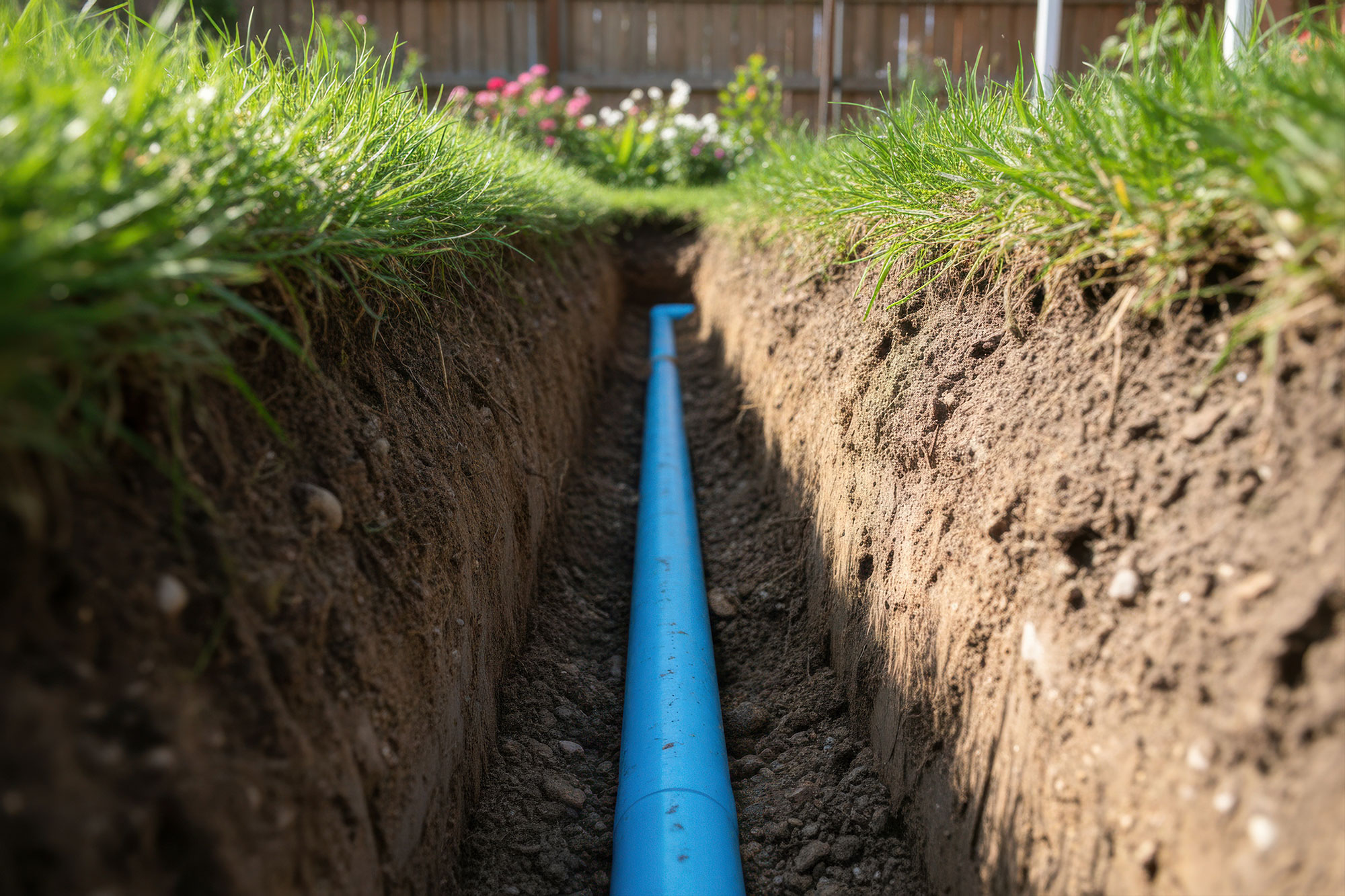
The ground beneath our feet feels solid, but for homeowners in Pasadena, Texas, the earth is in constant motion. The culprit is a geological feature native to Southeast Texas: expansive clay soil. Often referred to by engineers and builders as “highly active” soil, this heavy clay acts like a massive underground sponge. When it rains, it swells up and exerts incredible pressure upward and outward. When the long, hot Texas summer arrives, it dries out, shrinks, and leaves massive gaps in the earth.
While this shifting causes visible issues like cracked drywall and sticking doors, some of the most severe damage happens entirely out of sight. Deep beneath your concrete foundation lies a network of freshwater supply lines and wastewater sewer pipes. As the clay moves, it drags these pipes along with it, leading to a catastrophic plumbing issue known as an under-slab leak.
Understanding how Pasadena’s unique soil interacts with your plumbing system is the first step in protecting your home from thousands of dollars in structural and plumbing repair costs.
The Science of Pasadena’s Expansive Clay Soil
To understand why your plumbing is at risk, you first have to understand the specific nature of the soil in the Pasadena and greater Houston area. Much of our region sits on the Beaumont Formation, a geological layer characterized by a very high concentration of clay minerals, particularly montmorillonite.
Clay minerals are unique because they have a high capacity to hold water. The microscopic structure of clay consists of thin, flat sheets. When water enters the soil, it wedges between these sheets, causing the individual particles to push apart. This is the “swelling” phase of the cycle. In a typical Pasadena neighborhood, the soil can expand by several inches in volume during a wet winter or after a major tropical downpour.
Conversely, when the weather turns hot and dry during July and August, the water evaporates from between those sheets. The clay particles collapse back together, causing the ground to shrink, crack, and pull away from your home’s foundation. This perpetual cycle of swelling and shrinking creates a phenomenon known as soil movement or “differential settlement.”
How Soil Movement Directly Damages Under-Slab Pipes
When a home is built on a concrete slab-on-grade foundation—the most common construction style in Pasadena—the plumbing lines are laid out in trenches dug into the dirt before the concrete is poured. Once the pipes are in place, concrete is poured directly over them, trapping the pipes between a rigid, heavy concrete lid and the highly active clay soil below.
As the soil cycles through swelling and shrinking, it subjects these buried pipes to three distinct types of mechanical stress:
Shifting and Shearing Forces
As sections of the soil wet and dry at different rates, the ground does not move uniformly. The dirt around the perimeter of your home changes moisture levels rapidly because it is exposed to the elements, while the dirt deep under the center of the slab remains relatively stable. This difference creates a shearing force. If a plumbing pipe crosses the boundary between the moving perimeter soil and the stable interior soil, the earth acts like a slow-motion pair of scissors, bending and eventually snapping the pipe.
Friction and Abrasion
As the clay swells and contracts, it rubs against the exterior walls of the pipes. Over decades, this constant friction can wear down the outer walls of copper or cast-iron pipes, thinning the material until a pinhole leak develops.
Loss of Support (Soil Voiding)
During severe drought conditions, the shrinking clay can drop away from the underside of the concrete slab entirely, creating large underground pockets or voids. When this happens, the plumbing pipes are left suspended in midair, supporting the weight of the dirt above them without any support from below. The weight of the soil, combined with the weight of the water moving through the pipes, causes the lines to sag, crack, or completely separate at the joints.
The Role of Pipe Material: Older vs. Newer Pasadena Homes
The risk of a slab leak is heavily influenced by when your Pasadena home was built, as plumbing regulations and materials have evolved significantly over the last several decades.
Cast Iron and Copper (Pre-1980s Homes)
If your home is located in an established Pasadena neighborhood built between the 1950s and the late 1970s, your under-slab plumbing likely consists of cast-iron pipes for waste disposal and copper lines for fresh water. Both materials are highly susceptible to soil movement.
Cast iron is incredibly rigid and brittle. It does not bend when the soil shifts; instead, it cracks down the seam or snaps at the fittings. Furthermore, cast iron naturally corrodes over time. The combination of internal chemical corrosion from wastewater and external friction from shifting clay means that many older cast-iron systems in our area are nearing the end of their operational lifespan.
Copper, while slightly more flexible than cast iron, is prone to kinking when bent by shifting soil. Once a copper pipe kinks, the restriction increases water velocity and turbulence at that specific point, leading to accelerated wear and eventual failure.
PVC and PEX (Modern Homes)
Homes built from the 1980s onward generally use PVC (polyvinyl chloride) for sewer lines and, more recently, PEX (cross-linked polyethylene) for water supply lines. These plastic materials are far superior at handling Pasadena’s soil conditions because they possess a degree of natural flexibility. PVC can deflect slightly under pressure without breaking, and PEX can bend drastically without cracking or leaking.
However, modern homes are not entirely immune. While the pipes themselves may bend, the rigid plastic glue joints and fittings can still fail if the soil movement is severe enough, or if the original plumbing trenches were backfilled with rocky or poorly compacted dirt.
The Destructive Feedback Loop of an Under-Slab Leak
One of the most dangerous aspects of an under-slab plumbing leak is that it creates a destructive, self-reinforcing feedback loop. The soil movement causes a small leak to form; then, the water escaping from that leak introduces an artificial, localized source of massive moisture directly into the clay.
When a fresh-water or sewer pipe begins to leak under your slab, the surrounding clay absorbs the water and swells rapidly. Because the leak is localized to one specific area of the house, that single patch of soil expands with immense force, lifting that specific section of the concrete foundation upward. This is known as “slab heaving.”
As that section of the foundation lifts while the rest of the house remains in place, it introduces massive structural stress to the home, cracking brickwork, shifting door frames, and tearing apart walls. More critically for your plumbing, this sudden heave forces the surrounding pipes to bend even further, turning a minor pinhole leak into a catastrophic, total pipe rupture. What started as a tiny drip can quickly escalate into a structural emergency.
Warning Signs of an Under-Slab Plumbing Leak
Because under-slab leaks are hidden beneath several inches of concrete and feet of dense dirt, they can go unnoticed for months or even years. Homeowners must watch for subtle changes in their home’s structure and utility bills.
Sudden, Unexplained Spikes in the Water Bill
If your household water usage habits haven’t changed, but your monthly water bill from the City of Pasadena suddenly climbs, you likely have a hidden leak. A fresh-water line leak is constantly under pressure, meaning water is escaping 24 hours a day, 7 days a week.
The Sound of Running Water
When the house is completely quiet at night, listen closely. If you can hear the faint sound of rushing or trickling water when no faucets are turned on, no appliances are running, and the toilet tanks are full, water is actively escaping into the dirt beneath your floors.
Warm Spots on the Floor
If a hot-water supply line breaks beneath the slab, the escaping thermal energy will radiate upward through the concrete. If you step on a specific area of your tile, laminate, or hardwood floor and notice it feels unusually warm, it is a strong indicator of an underground hot-water line failure.
Foundation Cracks and Structural Changes
Keep a close eye on the physical structure of your home. The sudden appearance of cracks in your floor tiles, localized buckling in hardwood floors, new cracks in the exterior brick mortar, or doors that suddenly stick or refuse to close properly all point to a foundation that is moving due to localized soil swelling.
Unexplained Damp Carpets or Mold Growths
When an under-slab leak releases enough water, the moisture will eventually saturate the dirt, fill any voids, and begin soaking upward through the porous concrete foundation. This capillary action can leave your carpets feeling mysteriously damp, ruin the adhesive under vinyl planks, or create a musty odor along baseboards where mold has begun to thrive.
How Professional Plumbers Diagnose and Locate Slab Leaks
If you suspect your home is suffering from an under-slab leak, do not panic and assume you have to start tearing up your flooring blindly. Modern plumbing technology allows licensed professionals to pinpoint the exact location of a leak before making a single cut into your concrete.
Diagnosis typically begins with a hydrostatic pressure test. The plumber isolates the home’s plumbing system and applies a controlled amount of pressure to the lines. If the system cannot hold that pressure, a leak is officially confirmed.
Once a leak is verified, plumbers use electronic leak detection equipment to find it. This includes highly sensitive acoustic listening devices that allow the technician to hear the distinct sound of pressurized water escaping from a pipe deep beneath the concrete. For sewer lines, plumbers will feed a waterproof plumbing camera down the drains to visually inspect the interior of the pipes, looking for cracks, separated joints, or areas where the pipe has collapsed due to soil movement.
Repair Options for Pasadena Homeowners
When it comes to fixing an under-slab leak caused by expansive clay, there is no one-size-fits-all solution. The right approach depends on the severity of the leak, the age of your pipes, and your budget.
Direct Slab Penetration (Spot Repair)
If the leak is isolated to a single, easily accessible location and the rest of the plumbing system is in good health, a spot repair may be the most efficient option. The plumbing team will use jackhammers to carefully break through the concrete slab at the exact location of the leak, excavate the clay soil, cut out the damaged section of pipe, and install a new, durable fitting. Once repaired, the hole is backfilled and the concrete is repoured. While effective for isolated issues, this method can be highly disruptive to your living space.
Tunneling Under the Foundation
For homeowners who want to preserve expensive flooring, custom tile work, or hardwood planks, tunneling is a preferred alternative. Instead of going through the roof of the slab, technicians dig an access pit outside the perimeter of the home and excavate a horizontal tunnel beneath the concrete foundation directly to the site of the leak. The plumbing repairs are performed completely underneath the house. Once completed, the tunnel is backfilled, often using a specialized mud-pumping process to ensure the clay soil is tightly packed and properly supports the foundation again.
Pipe Rerouting
In cases where a fresh-water line has failed under the slab, it is often smarter and more cost-effective to abandon the buried line entirely. Instead of breaking concrete or digging tunnels, the plumber shuts off the old under-slab pipe and runs a brand-new, flexible PEX water line through the walls and attic space of the home. This completely removes the water supply network from the danger zone of the shifting clay soil below.
Under-Slab Tunnelling and Repiping
If your older Pasadena home has a cast-iron sewer system that has completely collapsed or fractured in multiple places due to decades of soil movement, a comprehensive under-slab repipe may be necessary. This involves tunneling beneath the entire length of the home to remove the old, brittle cast iron and replace it with a modern, flexible PVC drainage system designed to withstand future earth movement.
Prevention and Maintenance: Minimizing Future Soil Shifting
While you cannot change the geological makeup of the soil in Pasadena, you can take active steps to manage its moisture levels and minimize the dramatic swelling and shrinking cycles that threaten your plumbing.
The key to protecting your slab and under-slab plumbing is moisture consistency. You want the soil around the entire perimeter of your home to maintain a relatively stable moisture level throughout the changing seasons.
During the blistering dry heat of summer, consider installing a foundation watering system or a simple soaker hose placed roughly 12 to 18 inches away from your home’s edge. Running this hose for a short period a few times a week prevents the clay from completely drying out, shrinking, and pulling away from the foundation.
Equally important is managing excess water during heavy rains. Ensure that your roof gutters are clean and that downspouts route rainwater at least three to five feet away from the base of your home. Proper grading around your property is also critical; the ground should slope gently away from your foundation to prevent rainwater from pooling against the exterior walls and oversaturating the local clay.
Pasadena’s expansive clay soil is an undeniable challenge for residential structural and plumbing health. By staying vigilant, watching for the early warning signs of an under-slab leak, and keeping your foundation moisture levels consistent, you can protect your plumbing investment and keep your home standing on solid ground for decades to come.
Please Note: The information provided in this article is intended for general educational purposes only. Home building styles, pipe materials, and localized soil behavior can vary significantly from property to property across the Pasadena area. If you suspect an active under-slab leak, have concerns about your foundation, or have general questions about your home’s plumbing health, please do not attempt to self-diagnose or DIY the repairs. Contact the licensed professionals at Pasadena Plumbing Services directly for an accurate diagnostic evaluation and professional assistance.